| Products in Plays |
 |
 |
|
 | All's Well That Ends Well by William Shakespeare The daughter of a renowned physician pursues her passion for an elusive bridegroom through a comic maze of mistaken identities, betrayals, repentance, and dramatic revelation. An extraordinary combination of romantic melodrama and outright farce.
|
|
 | Antigone by Sophocles Filled with passionate speeches and sensitive probing of moral and philosophical issues, this powerful and often-performed Greek drama reveals the grim fate that befalls the children of Oedipus. Footnotes.
|
|
 | Arms and the Man by George Bernard Shaw One of Shaw's most popular comedies, deflating romantic misconceptions of love and warfare. Reprinted from an authoritative early edition, complete with Shaw's preface to Volume II of Plays: Pleasant and Unpleasant.
|
|
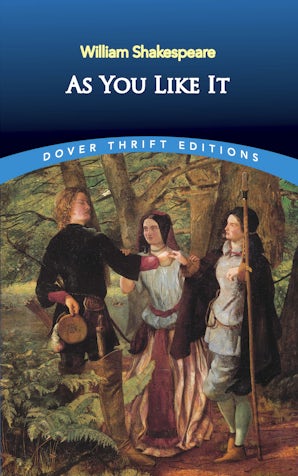
 | As You Like It by William Shakespeare When forbidden romance enters their lives, two noblewomen assume disguises and flee to the Forest of Arden, where they encounter friendly outlaws and wise fools. This comedy features memorable characters and incomparable poetry.
|
|
 | Bacchae by Euripides Classic Greek tragedy concerns the catastrophe that ensues when the King of Thebes, Pentheus, imprisons Dionysus and attempts to suppress his cult. Striking scenes, frenzied emotion, choral songs of power and beauty.
|
|
 | The Beggar’s Opera by John Gay A receiver of stolen goods informs on his chief supplier, setting in motion an increasingly absurd turn of events. This satirical 1728 play was to become the prototype for Threepenny Opera.
|
|
 | The Cherry Orchard by Anton Chekhov Classic of world drama concerns passing of semifeudal order in turn-of-the-century Russia, symbolized in the sale of the cherry orchard owned by Madame Ranevskaya. Showcases Chekhov's rich sensitivities as an observer of human nature.
|
|
 | The Comedy of Errors by William Shakespeare Two sets of identical twins provide the basis for ongoing incidents of mistaken identity, within a lively plot of quarrels, arrests, and a grand courtroom denouement. One of Shakespeare's earliest comedic efforts.
|
|
 | Coriolanus by William Shakespeare A military hero of ancient Rome attempts to shift from his career as a general to become a politician — a disastrous move that results in his leading an attack on Rome.
|
|
 | Cyrano de Bergerac by Edmond Rostand A quarrelsome, hot-tempered, and unattractive swordsman falls hopelessly in love with a beautiful woman and woos her for a handsome but slow-witted suitor. A witty and eloquent drama.
|
|
 | A Doll’s House by Henrik Ibsen Ibsen's best-known play displays his genius for realistic prose drama. An expression of women's rights, the play climaxes when the central character, Nora, rejects a smothering marriage and life in "a doll's house."
|
|
 | Don Juan in Hell: From Man and Superman by George Bernard Shaw This dream episode from Man and Superman forms a play within the play, consisting of a dramatic reading in which the Devil himself comments on heaven and hell, good and evil, and human purpose.
|
|
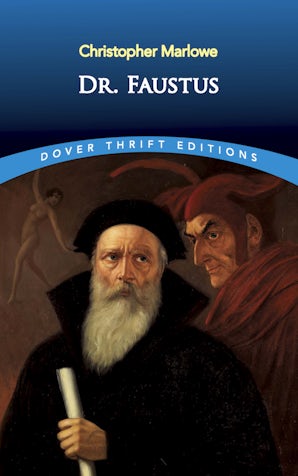
 | Dr. Faustus by Christopher Marlowe One of the glories of Elizabethan drama: Marlowe's powerful retelling of the story of the learned German doctor who sells his soul to the devil in exchange for knowledge and power. Footnotes.
|
|
 | The Duchess of Malfi by John Webster The evils of greed and ambition overwhelm love, innocence, and the bonds of kinship in this dark tragedy concerning the secret marriage of a noblewoman and a commoner.
|
|
 | Electra by Sophocles Masterpiece of drama concerns the revenge Electra takes on her mother for the murder of her father. One of the best-known heroines of all drama and a towering figure of Greek tragedy.
|
|
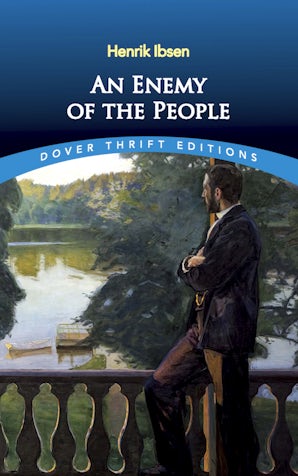
 | An Enemy of the People by Henrik Ibsen When the famous and financially successful baths in his home town are contaminated, the local doctor insists they be shut down for expensive repairs, causing upheaval among the townsfolk.
|
|
 | Everyman by Anonymous The most durable of medieval morality plays, along with 3 other classics: The Second Shepherd’s Play, Noah’s Flood and Hickscorner. All from standard texts.
|
|
 | Exiles by James Joyce This 3-act play first appeared in 1918 and presents an imaginative reconstruction of Joyce's own life. The protagonist, an Irish writer, has returned from abroad and experiences an estrangement from society.
|
|
 | The Father by August Strindberg Highly emotional study of marital upheaval and a no-holds-barred struggle between man and woman. One of the most gripping psychological dramas of modern theater. Biographical Note.
|
|